Driveway
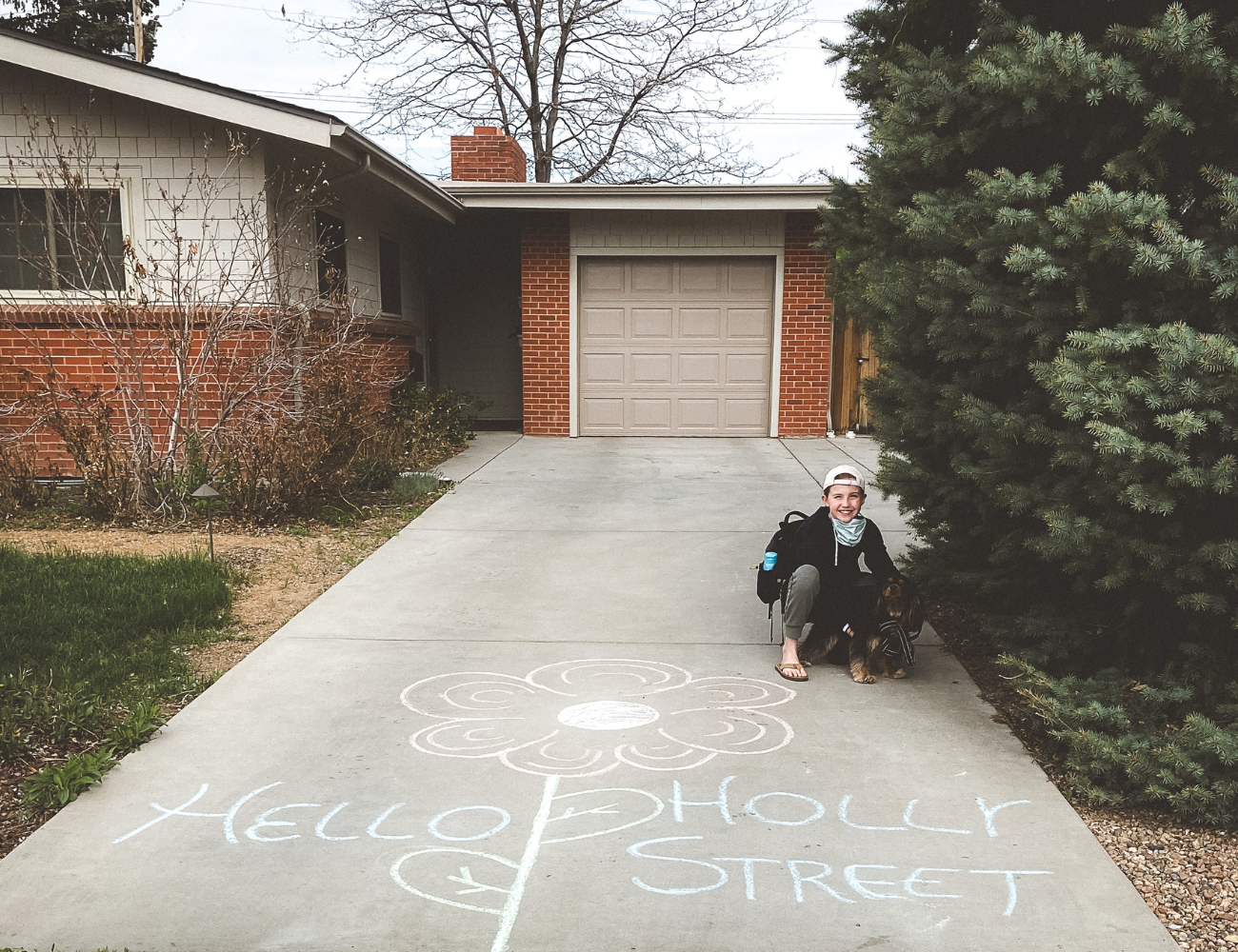
“Why do we drive on a parkway and park in a driveway?”
The driveway is a sacred place. Although driveways are often referenced as utilitarian space and considered an unwanted hallmark of suburban neighborhood design, they transcend their uniform purpose to be a place where countless moments of our lives are shared. Far more than simply serving a task of automobile entry, they provide a place where we are welcomed and welcome others. Our driveways serve as an extension of our home and hospitality.
The first known use of the word driveway was in 1871. Historically, parkways were roads through parks; driveways were the entries into private properties. In the academic article, “Research Notes: Toward a History of the Suburban Driveway,” David Solomon writes, “A driveway is defined as a space that allows for vehicular access between a public road and a piece of private property. No matter the form they take, driveways simultaneously perform utilitarian and representational functions. They help establish where one can go, what one does, and how one feels.”
The driveway is a daily place where our lives come and go. It is where we confirm everyone has everything before leaving for their day at work or school. It’s the place where we realize we’re missing our car keys, mobile phone, or sunglasses. It’s often the first place we look for when we’ve lost something, as it may have been dropped on the driveway coming or going.
Our driveways are where we share our final farewells with our family and friends who have visited our home. The habit of our household was to stand in the driveway of our home in Aurora waving and waiting for their cars to drive out of sight. Our steeply sloped driveway was the background of photos of friends gathered for graduation parties, the family on Easter Sunday, and the obligatory image of the first day of school.
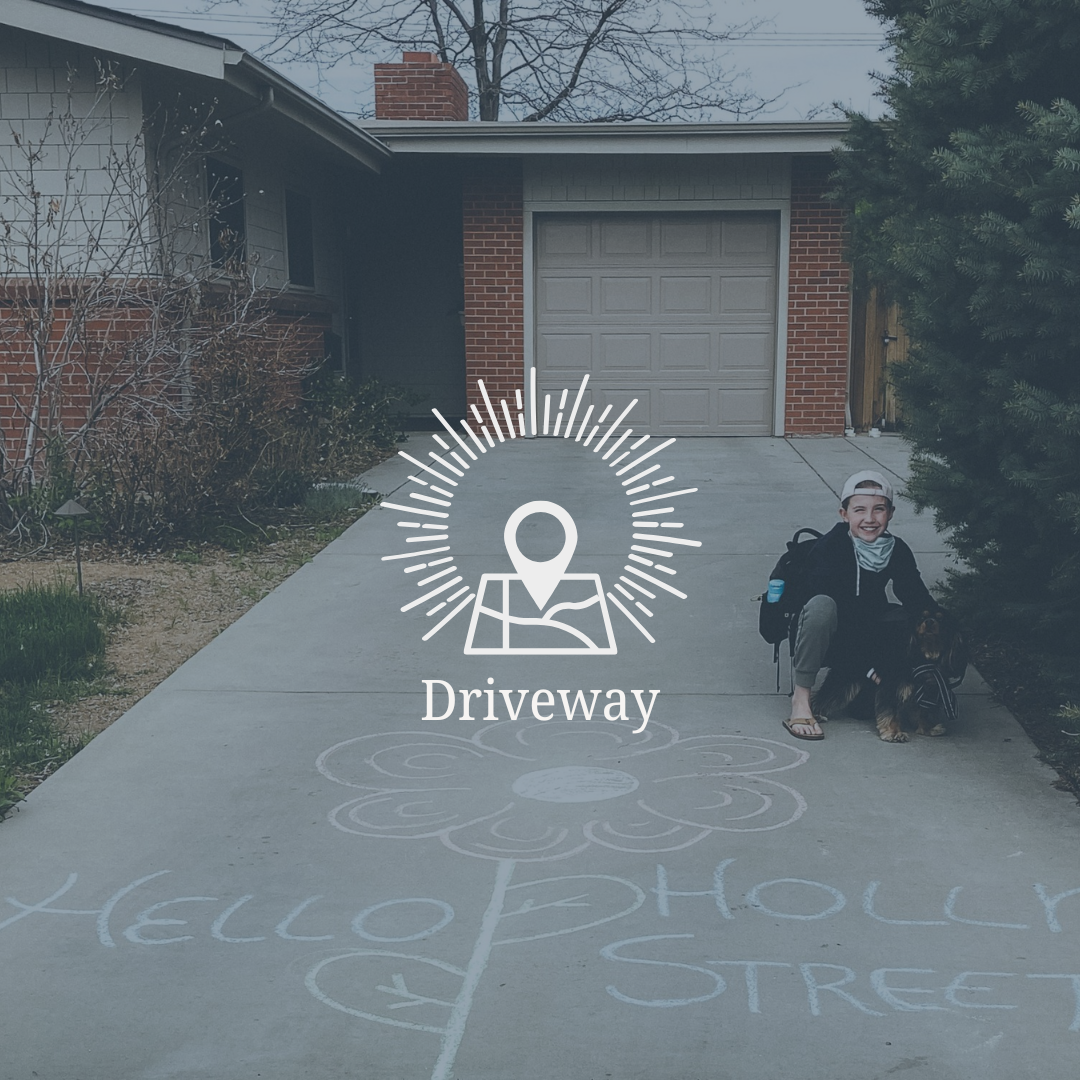
Our driveways are unique in their multipurpose functionality. They can serve as giant outdoor canvases for chalk art in one weekend, and the next weekend a hallowed court for the basketball games that become folklore among neighbors, family, and friends. In the summer, they invite us to peruse each other’s treasures at garage sales, and each winter they become a place of collaborative care in clearing snow. Driveways are places that adapt to the needs of the season.
Our driveways host countless unplanned connections with our neighbors—as we are leaving or returning from a day at work, while we are working in the front yard, or as we carry out the garbage. The driveway is where the everyday movement of our lives overlaps with our neighbors; every un-orchestrated moment, an invitation to know and be known by our neighbors one layer deeper. Collectively, the exchanges in the driveway create a connection to those we live near.
The driveway is more than a uniform and utilitarian place in front of our homes. It is a place of entry and engagement—holy ground we cross each day. The driveway is a sacred place.