Art & Place is an evening celebrating the beauty of visual art and the formative power of place.
Tonight is hosted by Sacred Place, a nonprofit organization committed to cultivating love for our neighbors and neighborhoods. We create content and convene conversations about the critical need for the integration of person and place.
Please explore our website to learn more, subscribe to our newsletter, or financially support our nonprofit work.
Our hope is this evening inspires and encourages you to love the people and places around you.
All blessings.
Artists
For all inquiries about purchasing art, contact artists directly.
All art is sold by the artists. 100% of the proceeds go directly to the artist.
-
![Kristen Abbott]()
Kristen Abbott
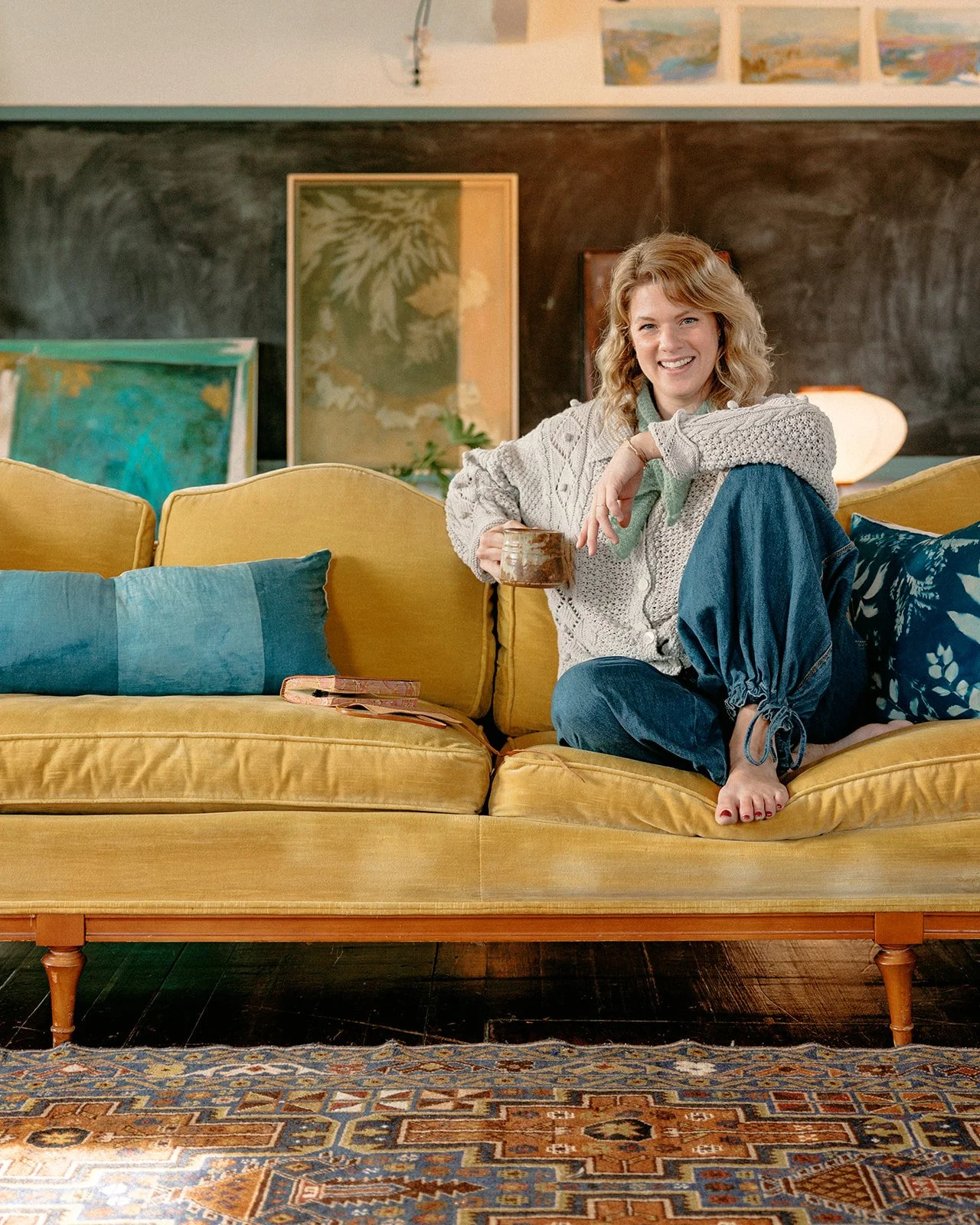
Kristen Abbott is a mixed media painter and textile artist based in Boulder, Colorado. Her practice moves between abstract painting and cyanotype textiles, shaped through an experimental, process-driven approach.
In her cyanotype work, sunlight acts as both collaborator and catalyst, imprinting organic forms onto hand-coated fabrics such as linen, cotton, and silk. Abbott often reworks these surfaces with additional materials, building layered compositions that shift with the viewer’s perspective and gradually reveal new details over time.
Guided by a philosophy of “joyful experimentation,” her work embraces unpredictability and reflects an intuitive dialogue with place, light, and material, inviting viewers into quiet moments of reflection and discovery.
-
![]()
Adam Anglin
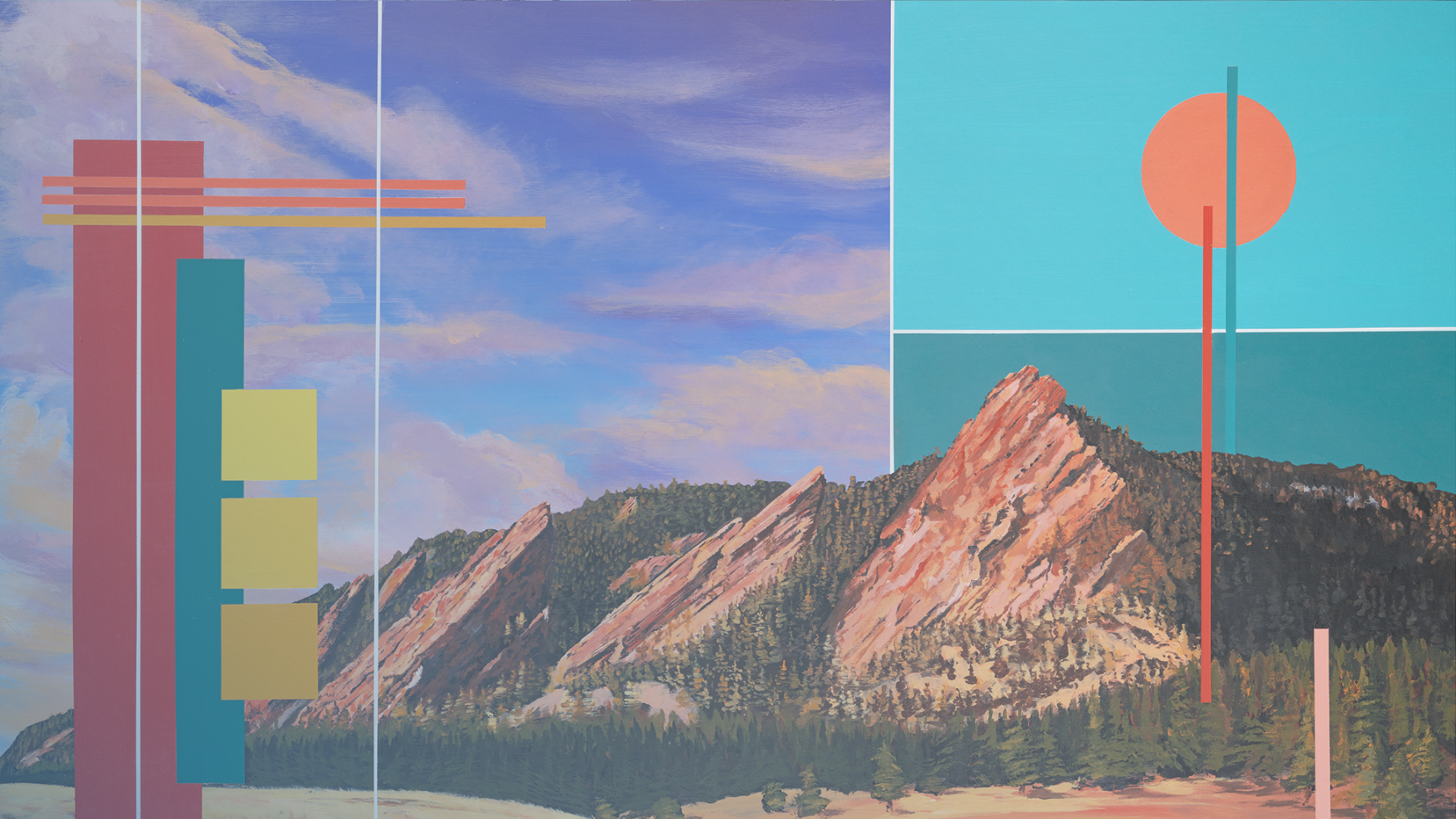
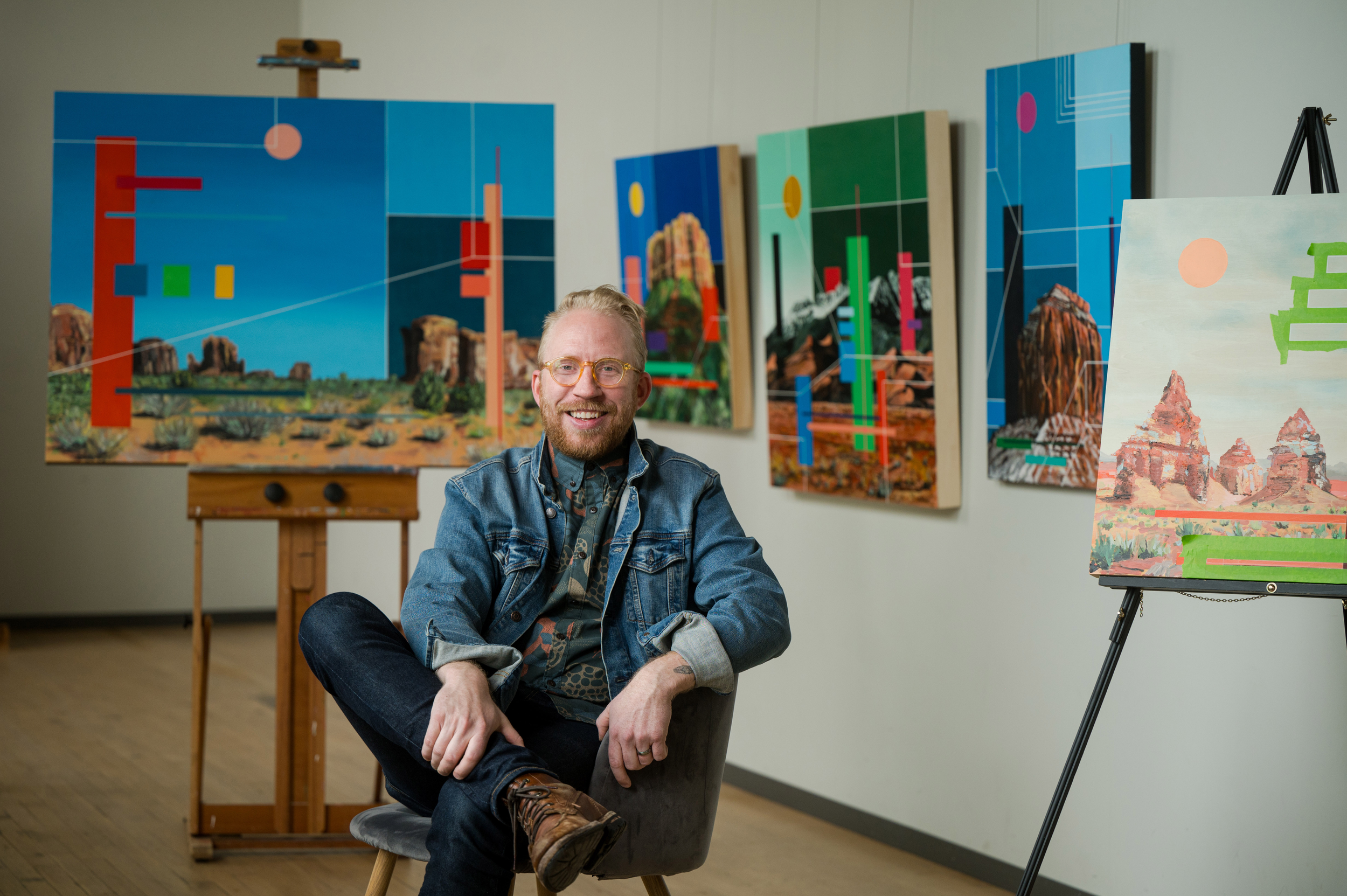
Adam Anglin is a fine artist and musician with a background in graphic design living and working in Denver, Colorado. I am a self-taught landscape painter who connects synthetic and natural forms in purposeful dissonance for those who long for beauty in a world that is too often satisfied with distraction. I use vibrant color-field compositions overlaying western landscapes and interwoven perspective lines to move the viewer between worlds.
The synthetic forms found in my work are a way to communicate inorganic realities. You might think of these things as distractions or noise. It's not meant to say that these things are bad, it's just that they exist. They can interfere with our desire to be more grounded or connected to nature or one another.
With a background in graphic design, all of my works start digitally in the composition phase before moving into painting. This process allows me space to consider the composition and color relationships that will best serve the piece. Using mixed media on cradled wood panel.
-
![]()
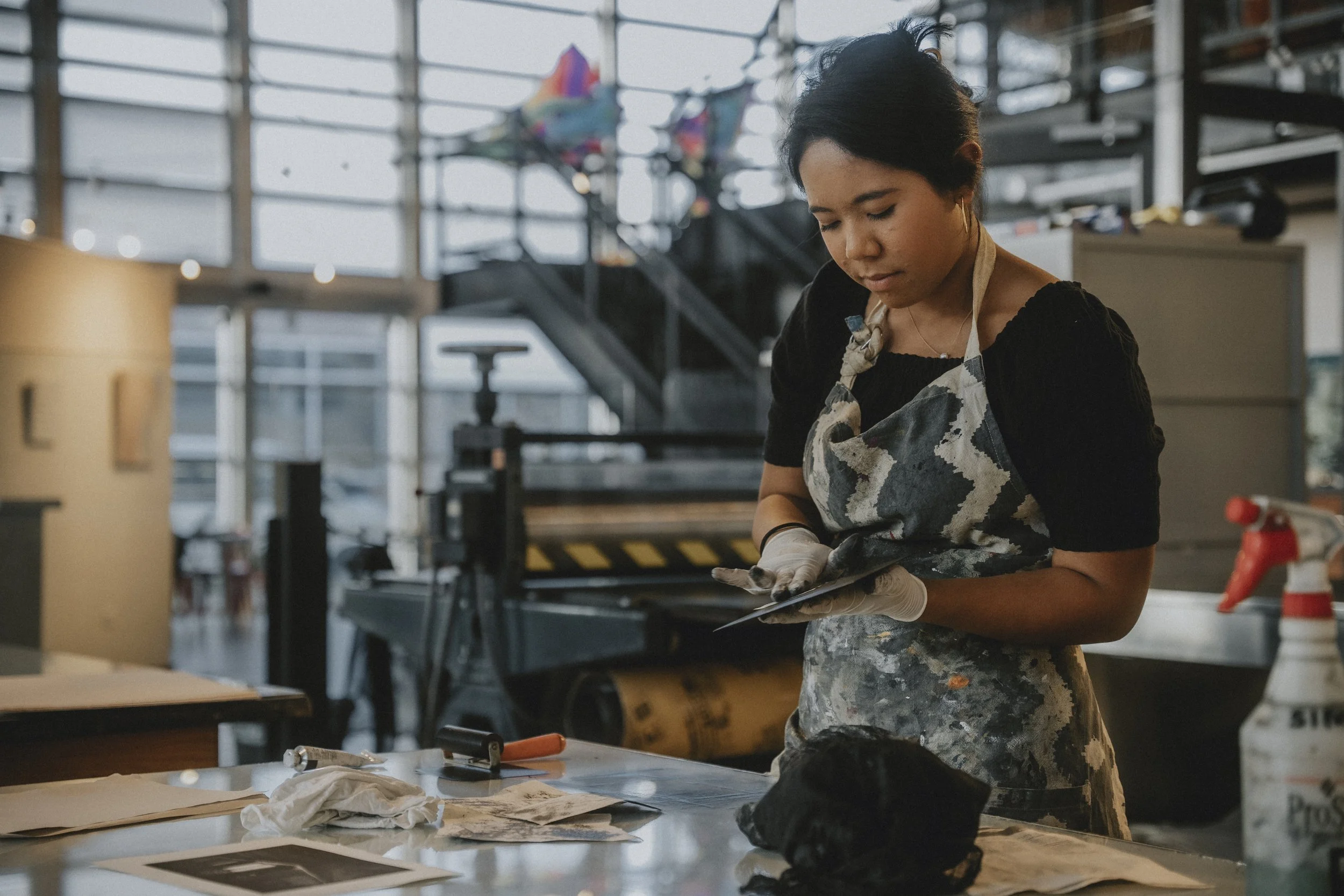
Kim Morksi
Kim Morski is a printmaking artist living and working in Colorado, recognized for her work in printmaking, book arts, and participatory public projects. After becoming a mother in 2017, Morski’s work shifted from an emphasis on large-scale prints with political themes, to more personal work exploring moments of quiet boredom, seasonal rhythms, and transcendence in the ordinary. The smaller scale of her reduction prints and drawings reflects the intimacy of maternal experience, as well as the margins of life where she makes time to create.
Morski’s works are held in the collections of Washington University in St. Louis, the Joan Flasch Artists Book Collection at SAIC, the Topeka & Shawnee County Public Library, The University of Denver, and MIT.
-
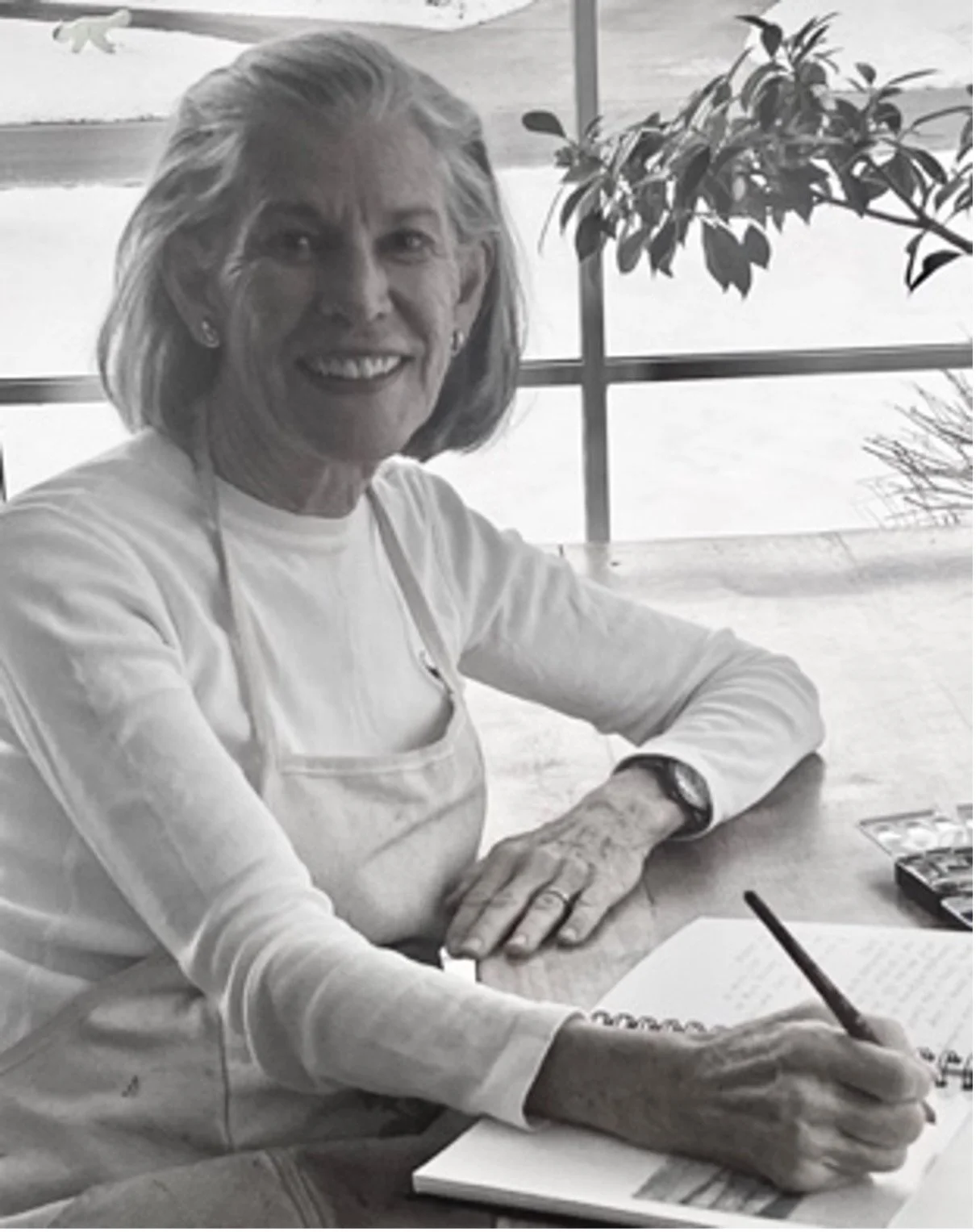
![Jennifer Freeman]()
Jennifer Freeman
When people ask me when I started painting, I honestly can’t remember ever not painting. Born into a very artistic family, with a prolific painter for a mother, I just assumed everyone took a set of watercolors and paper wherever they went. This wonderful habit that was instilled at an early age caused me to slow down, notice and look for beauty. As a result, all my life I have journaled with a brush instead of a pen. I find it helps me stay in moments longer and reflect on memories more vividly.
When I paint, I try to leave room for the viewer to bring his or her story to the artwork. Thus, my art is simple and minimal. I contend that less is more…more peaceful…more imagination stimulating…more fun!
It never occurred to me to put my work “outside” of my journals until I visited India and Africa. Seeing firsthand the poorest of poor prompted me to find a market for my small works and donate any profit to the brave and selfless people I met in my travels who are transforming lives. If I can use my gift to enable others to use their gifts in making the world a better place by reversing the poverty cycle, it is immensely gratifying.
-
![Kim Rivera]()
Kim Rivera
Kim emphasized in printmaking at the University of Colorado Boulder and graduated with a degree in Art Practice and Psychology in May of 2018. Through studying psychology she gained an insight into how people process and interact with the world around them. In contrast, her faith gave her a deeper appreciation and a new perspective of beauty and creation.
As an artist, Kim desires to create work that brings forth truth, conveys emotion, and challenges the viewer to reflect on the art. We live in an ever-evolving world filled with distractions, a need for efficiency, and conflict. Our relationships and appreciation of the world around us have been altered. Kim creates because art is universal, relational, and evocative. Art forces us to pause and contemplate what is immediately in front of us while guiding us to a deeper truth. Through art, we can foster community, form a newfound appreciation of the world and people around us, and prompt change through beauty.
-
![]()
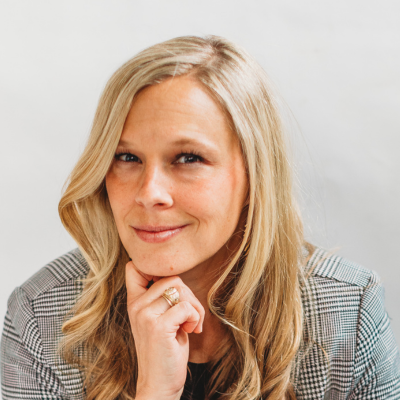
Shannon Allyne Thomas
In January 2023, Shannon began sketching flowers in her journal and dabbling in watercolors. She had yet to take an art class, but art was a way to express herself, play, and take her creative side more seriously. Shannon's kitchen counters quickly became cluttered with art from her newfound love. She started casually sharing her art online and the response was surprising and incredible. Others wanted to purchase her pieces and began requesting commissions.
Shanon Allyne Art was born in 2023, and today she remains focused on creating paintings coupled with writing that inspires and transforms its viewers. Shannon is married to Matt, and they have 4 children and reside in Evergreen, Colorado.














Prayers, Practices, & Places to integrate your faith in place.

