Jazz Club
“Jazz is a good barometer of freedom.”
A jazz club is a sacred place. The roots of jazz music are imbued with the reason why these soulful and stirring music rooms matter. Jazz has been called an American institution. It was birthed in Black communities as a musical language of expression and freedom. Jazz clubs were places where musical artistry could flourish even when the dominant society denied dignity and opportunity. That history still hums in every jazz club. Wynton Marsalis wrote, “Jazz music is America's past and its potential, summed up and sanctified and accessible to anybody who learns to listen to, feel, and understand it. The music can connect us to our earlier selves and to our better selves-to-come.”
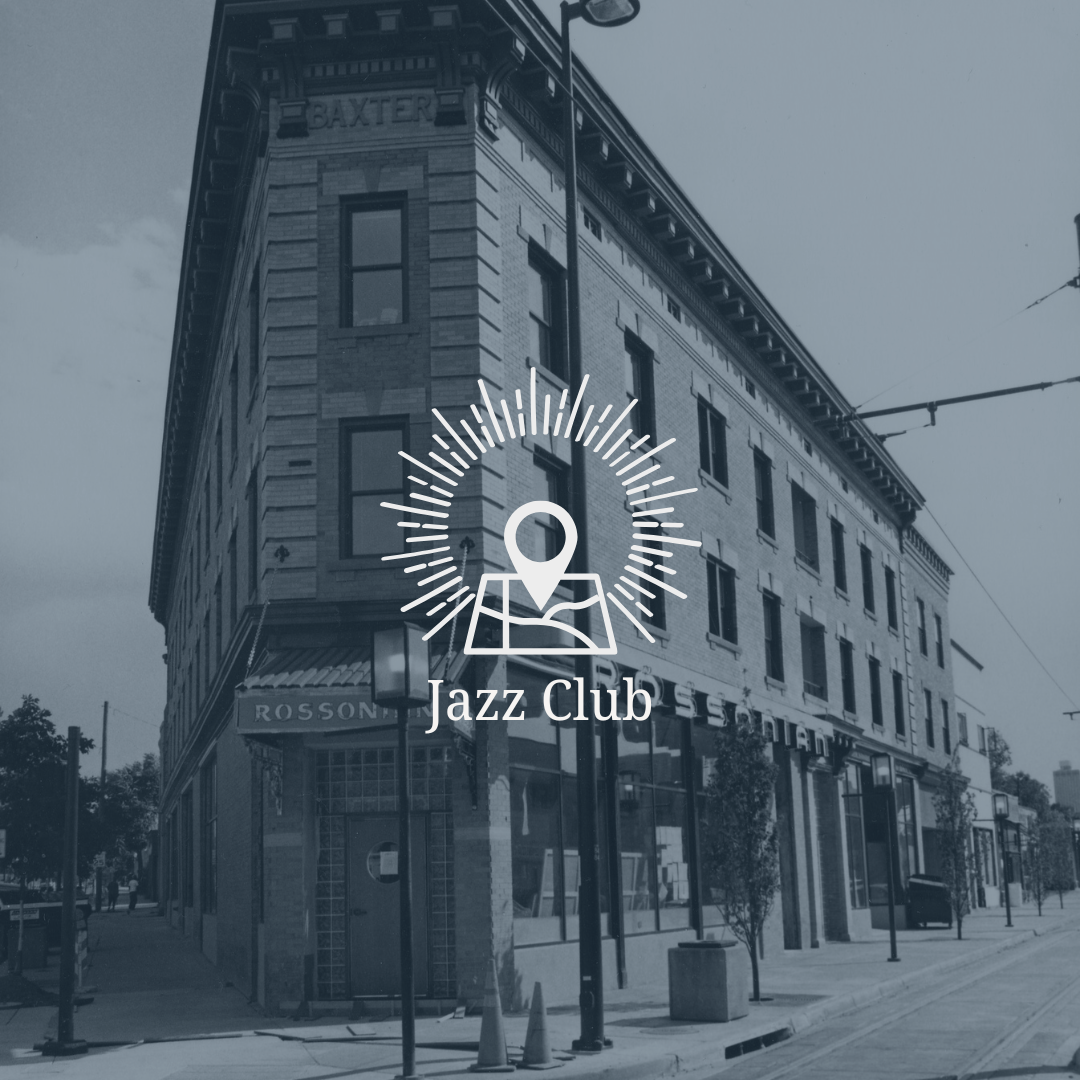
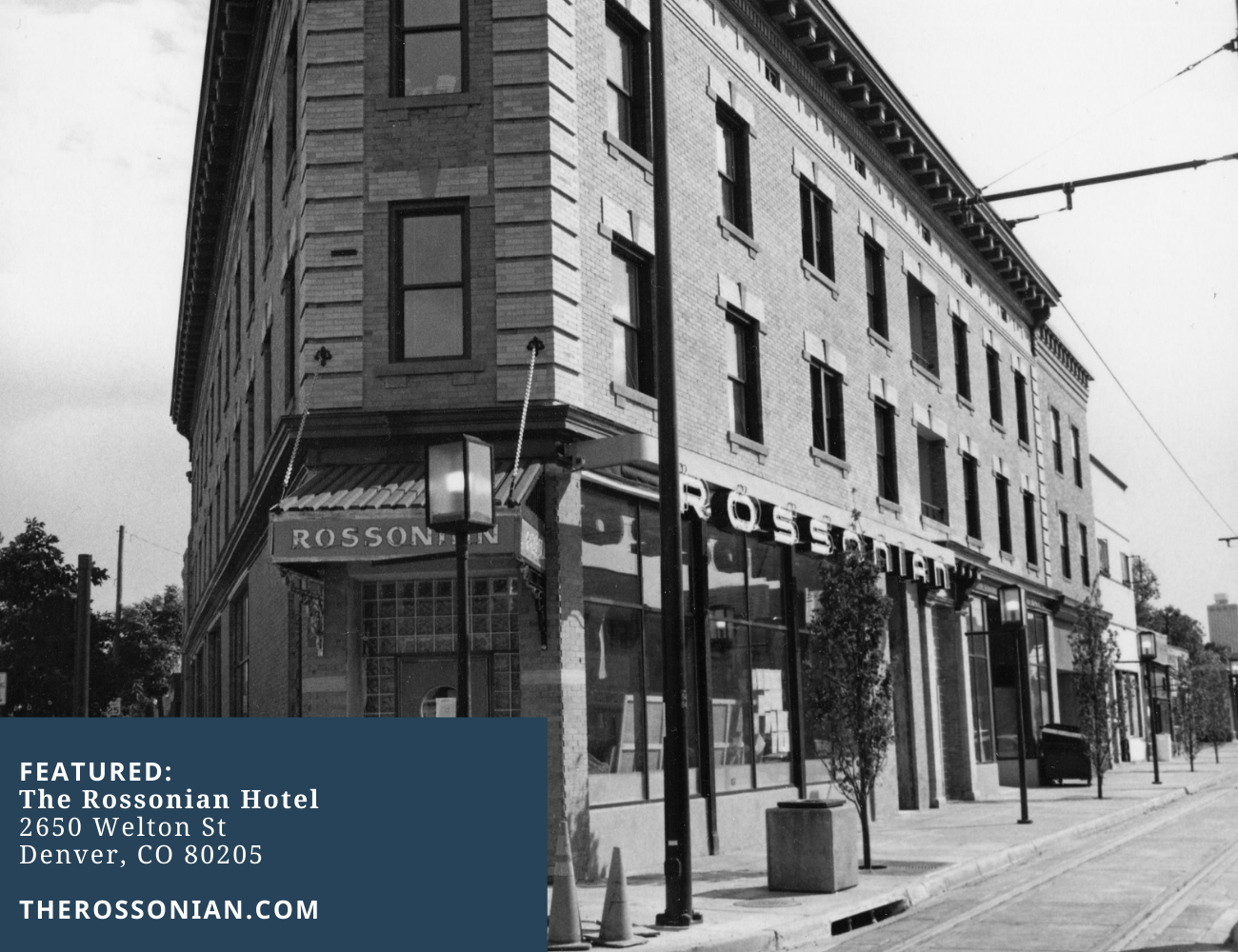
In Denver during the early to mid-20th Century, the Five Points neighborhood was home to over fifty bars and clubs featuring jazz music. It was known as the “Harlem of the West.” At the center of Denver’s golden age of jazz was the historic Rossonian Hotel. Built in 1912 and renamed in 1929, the Rossonian became a cornerstone of the city’s jazz scene into the 1950s. Many Black musicians stayed at the hotel because other musical establishments in Denver practiced racial discrimination. Its lounge was seen as one of the most prominent jazz clubs between St. Louis and Los Angeles. Legendary artists Duke Ellington, Count Basie, Louis Armstrong, Nat King Cole, and Billie Holiday all played the Rossonian.
Jake and Jubilee Henderson, current local musical artists, offered their insights into the context of jazz clubs. “I think people go to jazz clubs to appreciate the art and the artistry,” they shared. “It's a place where both are on full display.” An aspect of the unique art and artistry of jazz is improvisation. Improvisation is understood as essential to, and expected in, jazz music. A musician improvises within the theme of a song but offers something distinctively his or her own to the original. Louis Armstrong said about the nature of jazz, “Jazz is music that’s never played the same way once.” This creative collaboration of jazz demands attention from musicians and listeners alike. Its music unfolds with dynamic momentum and creative tension.
Jazz clubs have opened and closed over the decades in Denver. Like the music itself, jazz clubs have evolved with the changing landscape of the city. The legacy of jazz clubs in the Five Points neighborhood is as layered as the music itself. There is enduring hope for the return of jazz to the Rossonian. In 1995, it was listed on the National Register of Historic Places, and the latest development plans are for the hotel to be fully restored by 2028 and for jazz to again fill the hallowed halls.
Jazz clubs are an embodiment of the resilience and expression of freedom within the complexity of the American story. Duke Ellington said, “Jazz is a good barometer of freedom… In its beginnings, the United States of America spawned certain ideals of freedom and independence through which, eventually, jazz was evolved, and the music is so free that many people say it is the only unhampered, unhindered expression of complete freedom yet produced in this country.” A jazz club is a place to pay attention to the artist and artistry, to the history and legacy, and the inspiring creativity of music and sound. A jazz club is a sacred place.