History Museum
“The great force of history comes from the fact that we carry it within us...history is literally present in all that we do.”
A history museum is a sacred place. It is a place that holds both the joyful and painful, ordinary and extraordinary stories of the past. It is a place to learn from different perspectives and grow through collective memory.
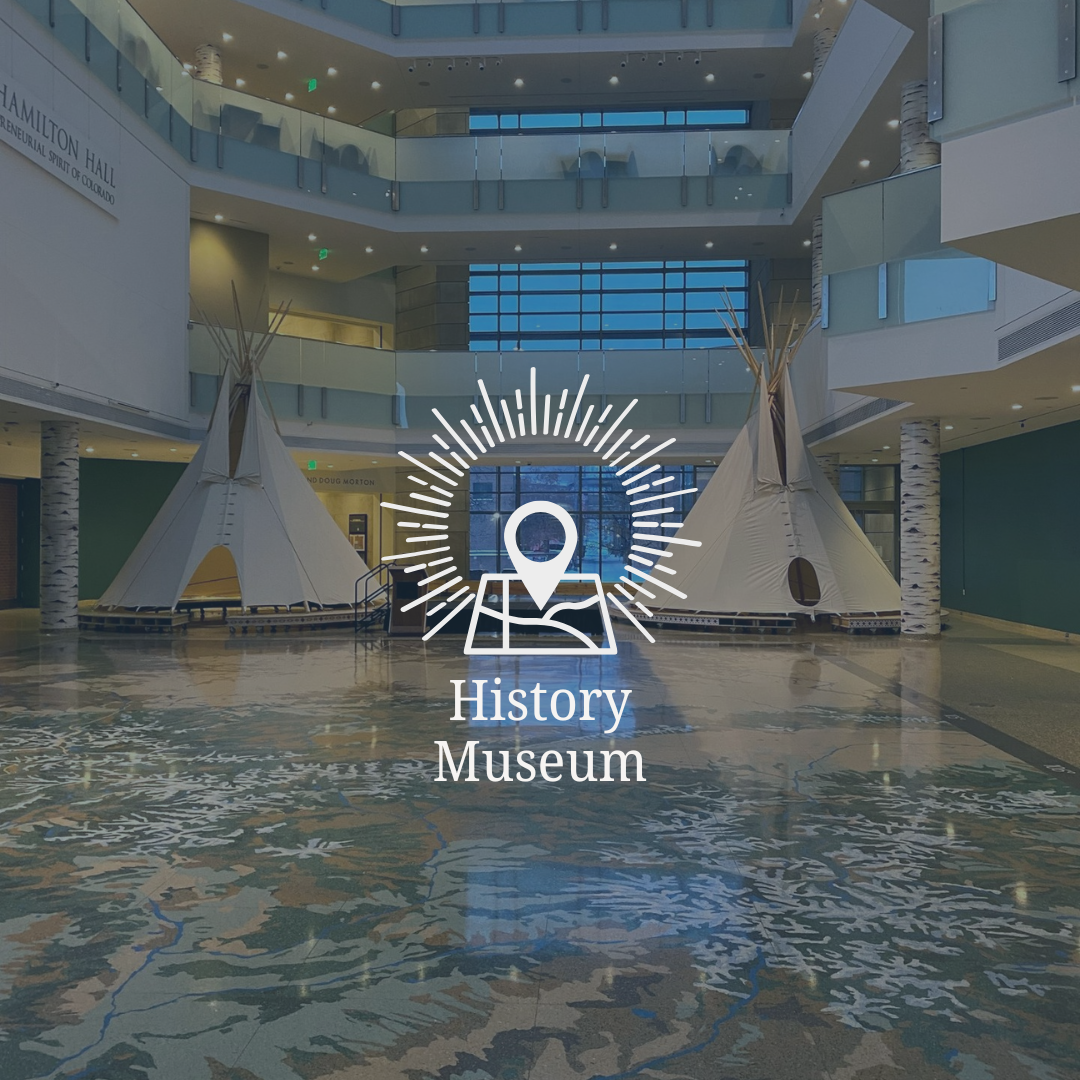
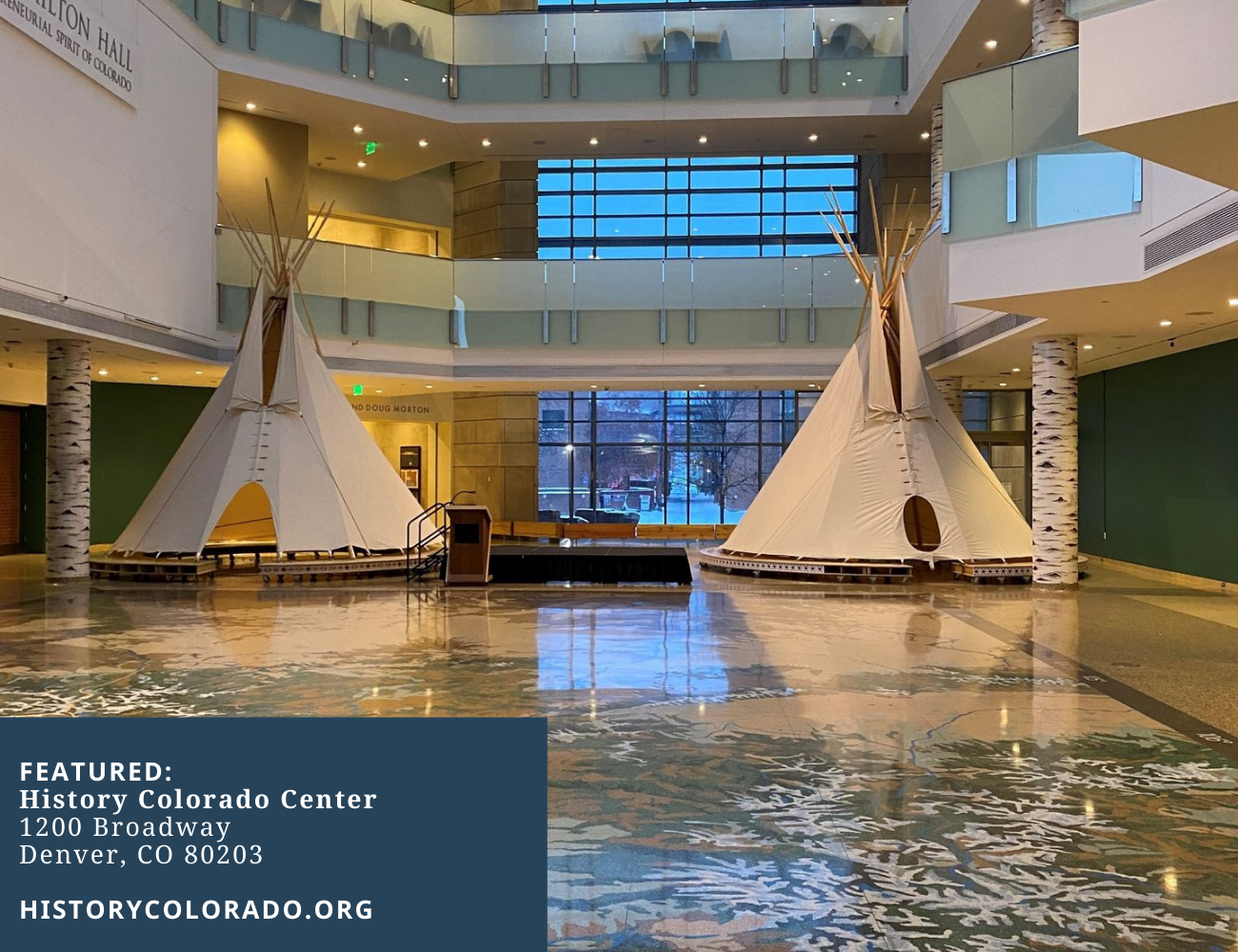
The Colorado State Historical and Natural History Society was established in Denver in 1879. The dividing interests between cultural and natural history would lead to a separate Museum of Natural History (now Museum of Nature and Science) and History Museum. Over the years, the Colorado History Museum would occupy various facilities in the Civic Center complex, growing an astounding collection of over 1 million artifacts. A new chapter for the museum began when the History Colorado Center opened on South Broadway in 2012 with a four-story atrium featuring a terrazzo floor depicting a 40-foot by 60-foot map of Colorado.
Terri Gentry is History Colorado’s Engagement Manager for Black Communities. We met in the Lincoln Hills section of the Colorado Stories exhibit to discuss the importance of the history museum. Lincoln Hills was a mountain resort where Black families vacationed in Colorado during segregation. For Terri, the history of Lincoln Hills is personal. Her family owned a cabin there. As a child she would climb the mountain behind the cabin taking in the wide views that made the world feel bigger. Terri shared the stories of her family and how the Black community contributed to the history told through the Lincoln Hills exhibit.
“What History Colorado is doing; is they are giving a voice to each person in this state. They are acknowledging history from all these different perspectives.” Terri provides invaluable insight into how History Colorado is willing to continually learn how to listen to the past from different perspectives. This posture is displayed in the work they have done with the Arapahoe and Cheyenne Nation over the last decade to revamp and revoice the exhibit on the Sand Creek Massacre. “History Colorado is working very hard to make sure that everything is recognized and acknowledged.”
In 2026, History Colorado will feature the exhibit “150/250” as the United States will mark the 250th anniversary of the Declaration of Independence, and in the same year, Colorado will mark the 150th anniversary as a state. As the Centennial State, Colorado is the only state observing the twin anniversaries. It is an important year for Coloradans to consider the stories and experiences of those who lived in this place before us.
Terri offers timely wisdom on why a history museum is important for our cultural moment. “It helps me celebrate my ancestors for everything that they did to make my life what it is. I look at what they've done, and if they hadn't been here and done what they did, I wouldn't be here. So, for me, it's the daily way I want to honor and be grateful to the people that were here before me.”
A history museum is a place to remember. It is a place to learn from the overlooked or unknown narratives of our past. It is a place that invites us to hold with objectivity the complexity of our collective memory. It is a place that holds centuries of stories of our neighbors and neighborhoods. A history museum is a sacred place.
A special thank you to Terri Gentry for her contribution to this article and her ongoing commitment to graciously holding history and sharing the stories of our state with dignity for all people.