Neighborhood
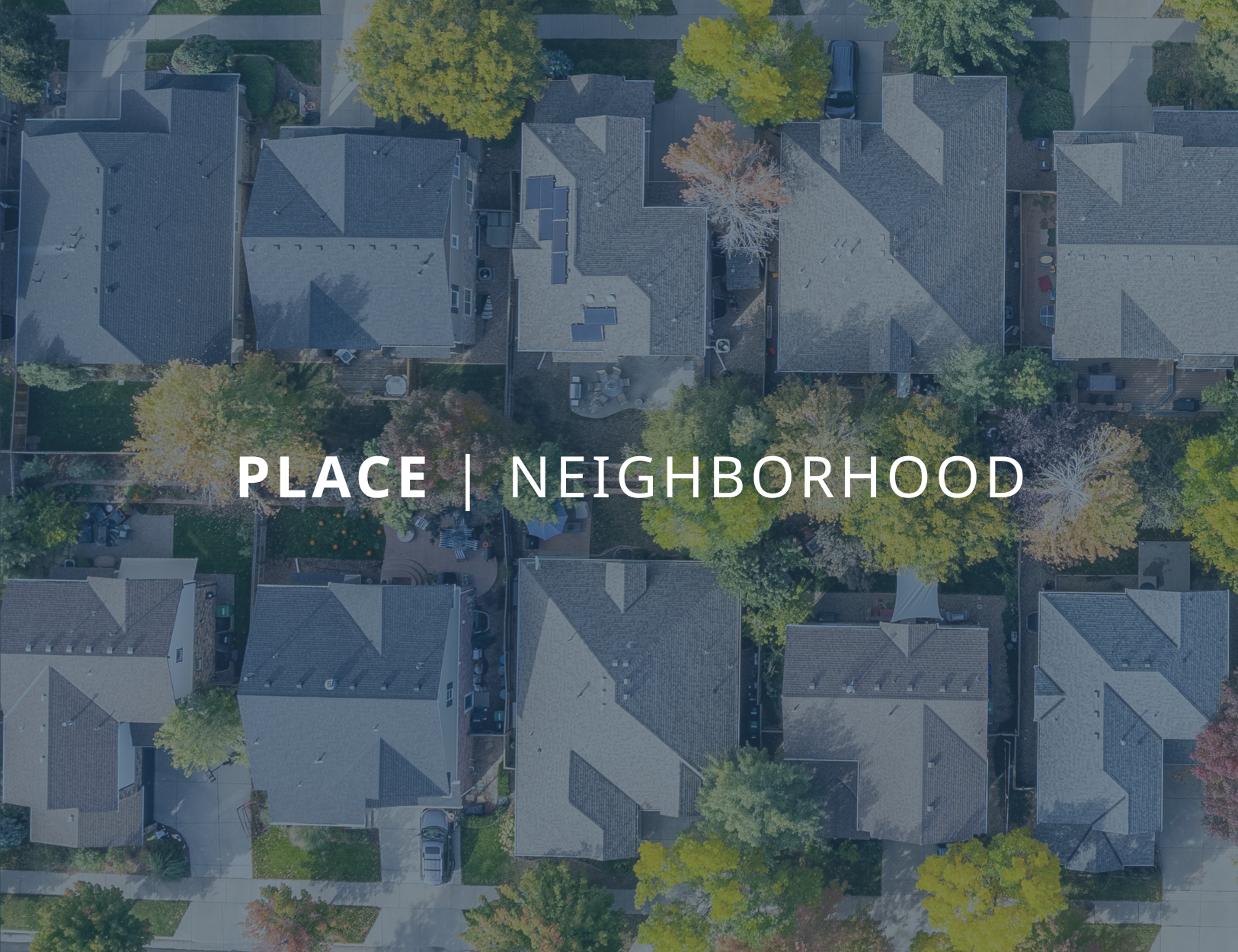
“It is by the place we’ve got, and our love for it and our keeping of it, that this world is joined to heaven.”
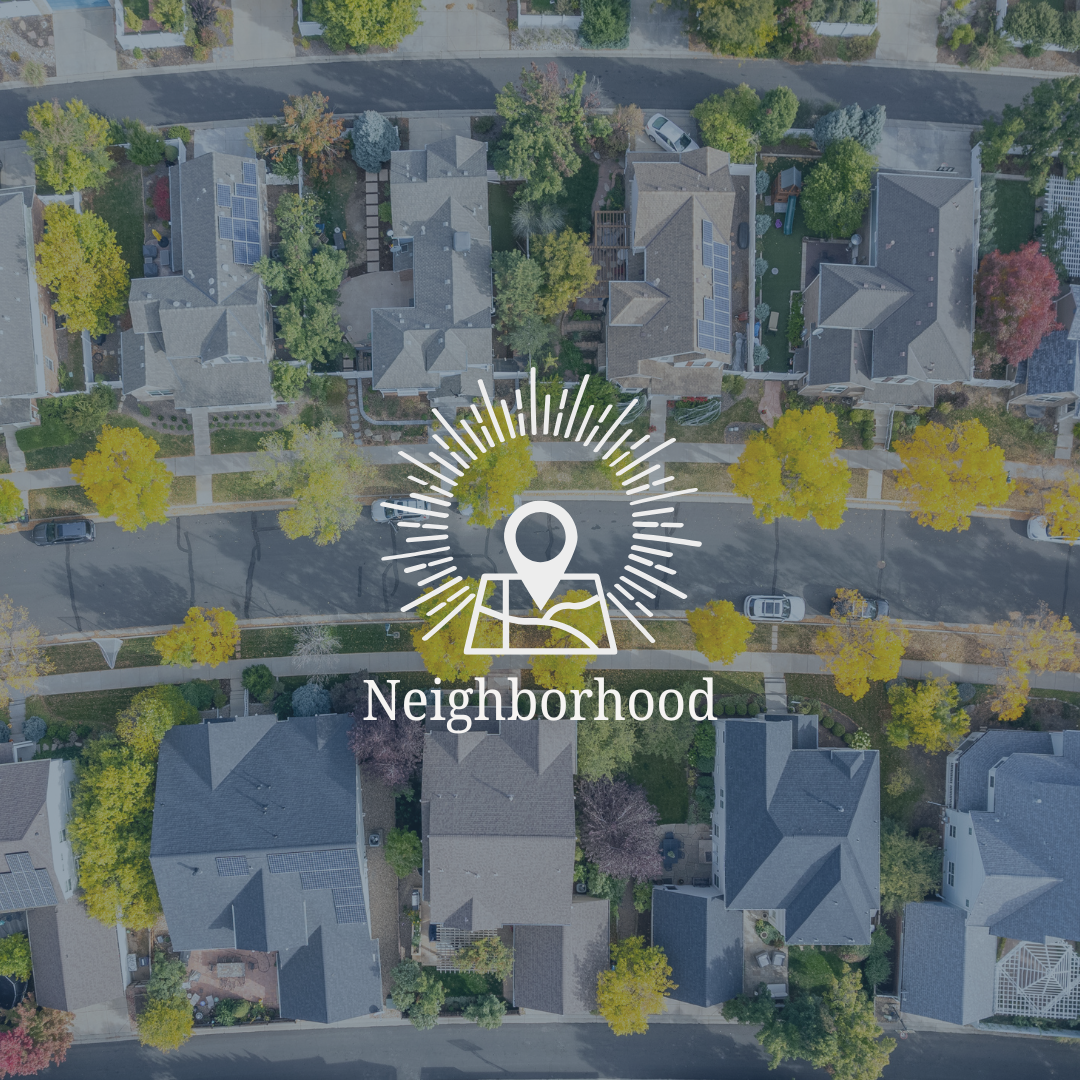
The neighborhood is a sacred place. We too often come and go from neighborhoods without intention or attention. Our sidewalks can become ordinarily familiar, the houses and people passing by in a blur. But our neighborhood—our block, our street, or our apartment building—is sacred. It’s where the story of God, people, and place intersect.
God’s first question in Scripture is about place. “Where are you?” God’s inquiry was not for His benefit—it is for ours. And it still is. At the beginning of human history, God is working in a specific place, a garden in the east, in Eden. At the fulcrum of human history, God is present again in the person of Jesus, living and working in specific places: in Galilee, in Jerusalem. And it is in the place called Golgotha, the place outside the city, that his blood enters the dirt He created. From Creation to the cross, we are in a story of place.
Our neighborhood is ordinary. But God has always inhabited ordinary places. Mailboxes, porch lights, and recycling bins. Dogs barking, kids shouting, and sprinklers spraying. The home of the neighbor who has lived here for decades and the home of the new-to-the-city neighbor. The new coffee shop and the old corner gas station. These all form a liturgy of place with holiness hidden in plain sight.
Our neighborhoods are the actual location of spiritual formation. It is here we learn to be present to God, to our neighbor, and ourselves. Real neighbors have real needs. And real proximity often reveals real tension. To love our neighbor is not to exist in the absence of difficulty; instead, it is God’s presence that invites us to be formed as we navigate it. If we can see our neighborhood in this way, even conflict becomes an opportunity to grow in grace.
Our neighborhoods provide specificity to the concept of “love your neighbor.” The names of those who live next door are not an abstract concept, but physical beings deeply loved by God that we are invited to learn to love as He does. Our neighborhoods are often the environment where we have the unique opportunity for learning from longevity. Living in the same location for years re-forms us in the patient process of becoming a good neighbor. Our neighborhoods are places of reciprocity. Learning that love of neighbor does not only give, it also receives.
God is already present and at work in the lives of those in our neighborhood. When we learn to open our eyes, our hearts, and our hands, we join Him in what He is doing. The invitation to participate in the story of God by loving our neighbor is just outside our front door. The neighborhood is a sacred place.