Campground
“Adopt the pace of nature, her secret is patience.”
A campground is a sacred place. It provides a sacred shift from the places we regularly inhabit. There is a voluntary vulnerability in camping. A campground is where we increase our exposure to the elements and refocus on the basic human experiences of shelter, fire, and food. Camping creates a container of time distinct from our regular schedules. The pace affords deeper personal and relational connection. It is a place where we choose to live closer to the earth and each other.
Campgrounds in Colorado are cherished. From treasured sites within Colorado’s State Parks to hidden gems on BLM land, favorite campsites are as protected as beloved family recipes. A campground is often the location of formative memories for both families and friends. Stories are shared over the years of the antics of a leaking tent in an afternoon thunderstorm, a shared meal cooked in the open air, or the exhilaration of an outdoor accomplishment on a hike. Campgrounds are places of beholding natural beauty, holy memory, and family story.
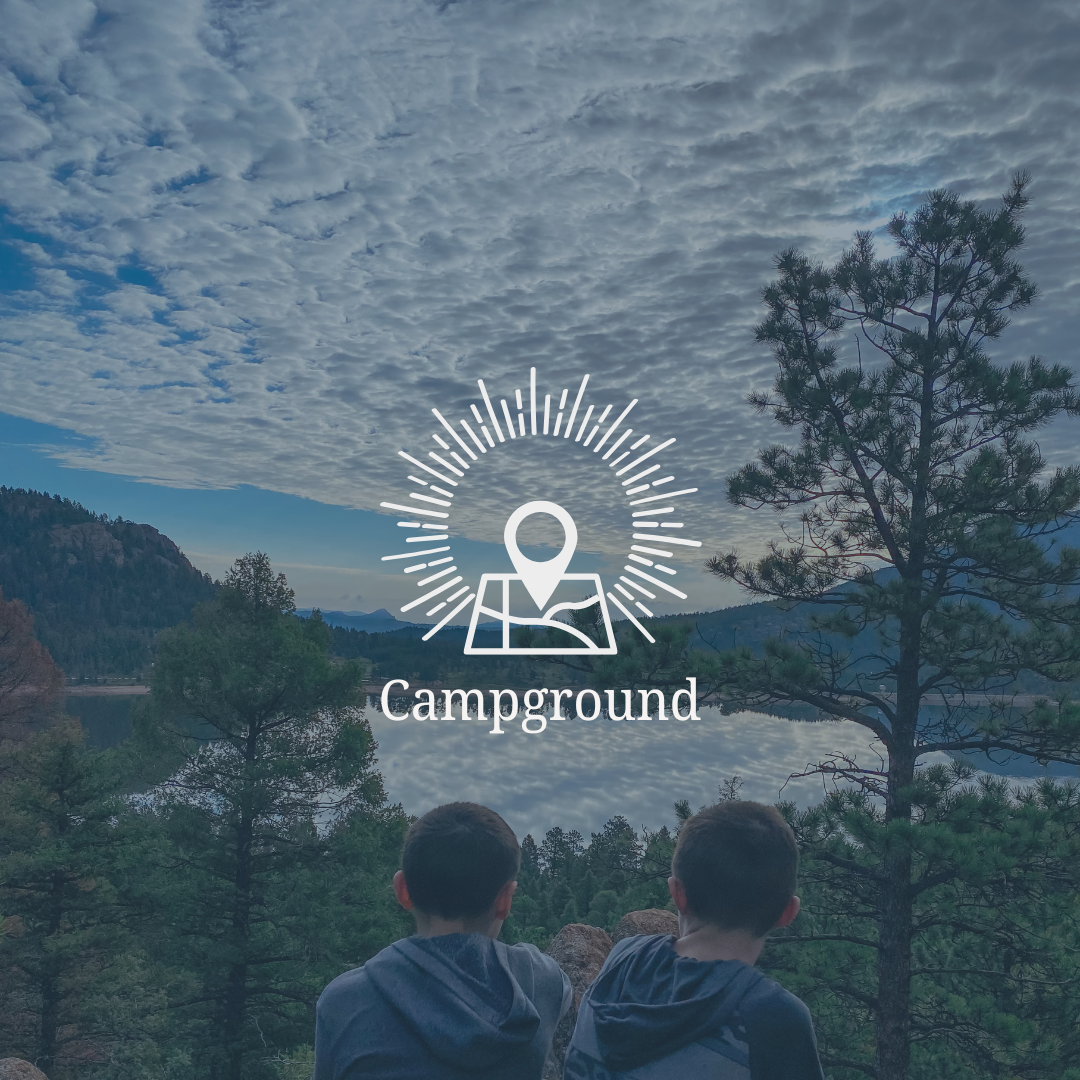
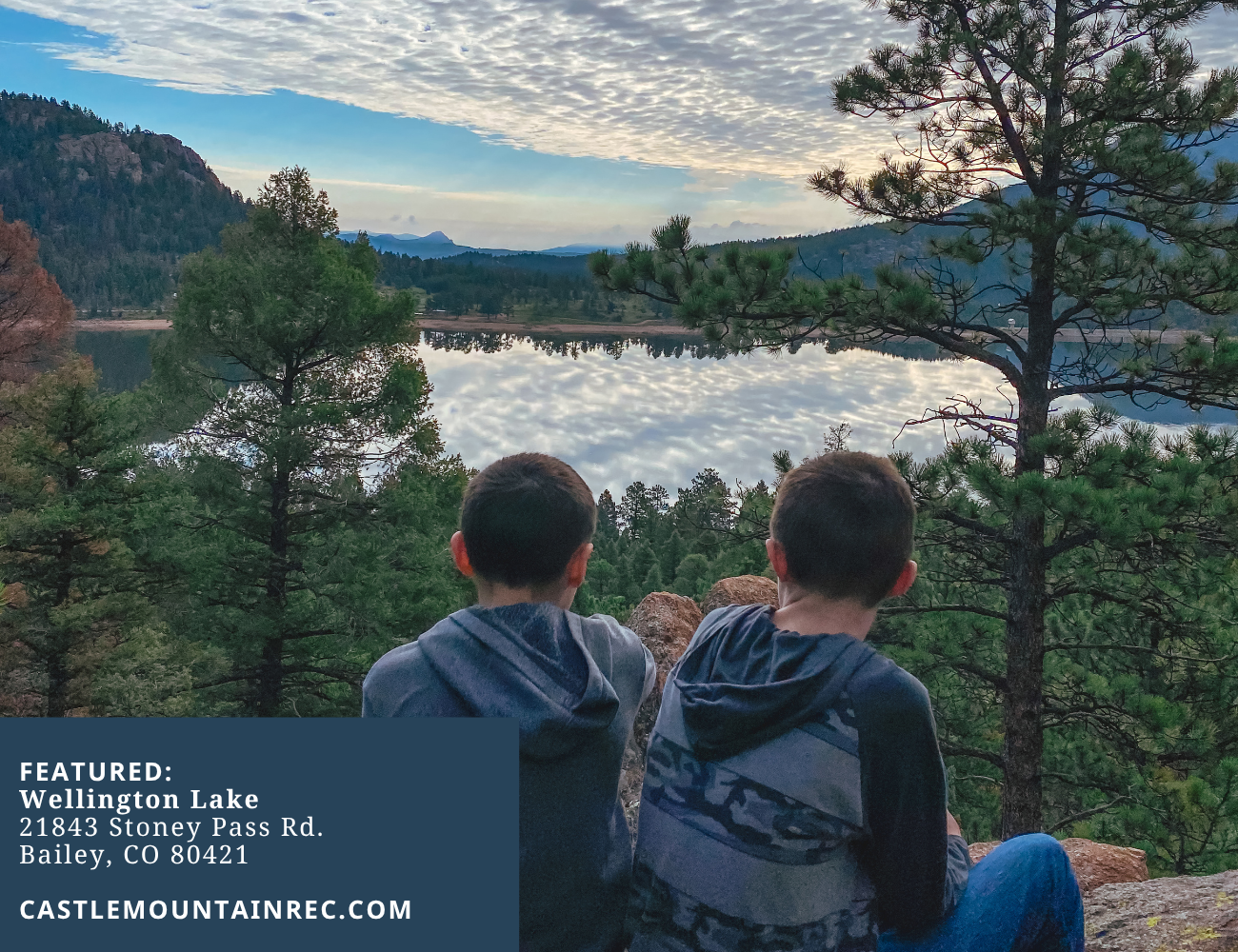
The Colorado campground of choice for Adam and Angie Long is Wellington Lake. Located less than 2 hours from Denver, Wellington Lake is a picturesque property that families have enjoyed since 1891. A group of investors built a reservoir as a place to retreat from the city, with small furnished cottages available for $25 a month, and camping by the lake was free. Wellington Lake is now a privately owned reservoir spanning over 900 acres, with 75 campsites and 12 larger group campgrounds. The appeal of Wellington Lake is its accessibility to both beauty and activity. The proximity to Denver affords families, friends, and neighbors with varied availability, while the landscape provides an abundance of outdoor activities, including hiking, rock climbing, swimming, paddleboarding, and kayaking.
Adam and Angie Long have returned to Wellington Lake each summer for the last 5 years with their two sons. Their family enjoys the adventure of traveling to new places, and they have lived internationally for several years. Instead of exploring new campgrounds, returning to the same site each summer provides their family a familiar place to rest and reconnect. With the passing of each year, their sons explore the surrounding hills on hikes and venture out on the water with greater confidence and courage. “It is a known place with unknown variables,” shares Adam. “You allow the day to develop for itself. You may choose to read a book in a hammock or go exploring. Some days you can spend hours on the paddle board or the kayak until it begins to rain. Then decide, what are we going to do now? We have no devices and a couple of hours. There's something so refreshing about that pace.”
The “refreshing pace” of Wellington Lake is formed in part by the lack of cell reception in the area. Campgrounds can remove modern distractions, and in doing so, invite greater presence. They place family, friends, and neighbors in closer proximity to each other. The simplicity of the schedule invites curiosity and cultivates contentment. The memories created at campgrounds make them treasured places.
There is a beautiful, intimate connection to God, people, and place in the common life and common ground of a campground. A campground is a sacred place.
Thank you to Adam and Angie Long for their conversation and contribution to this article about camping.