Fireplace
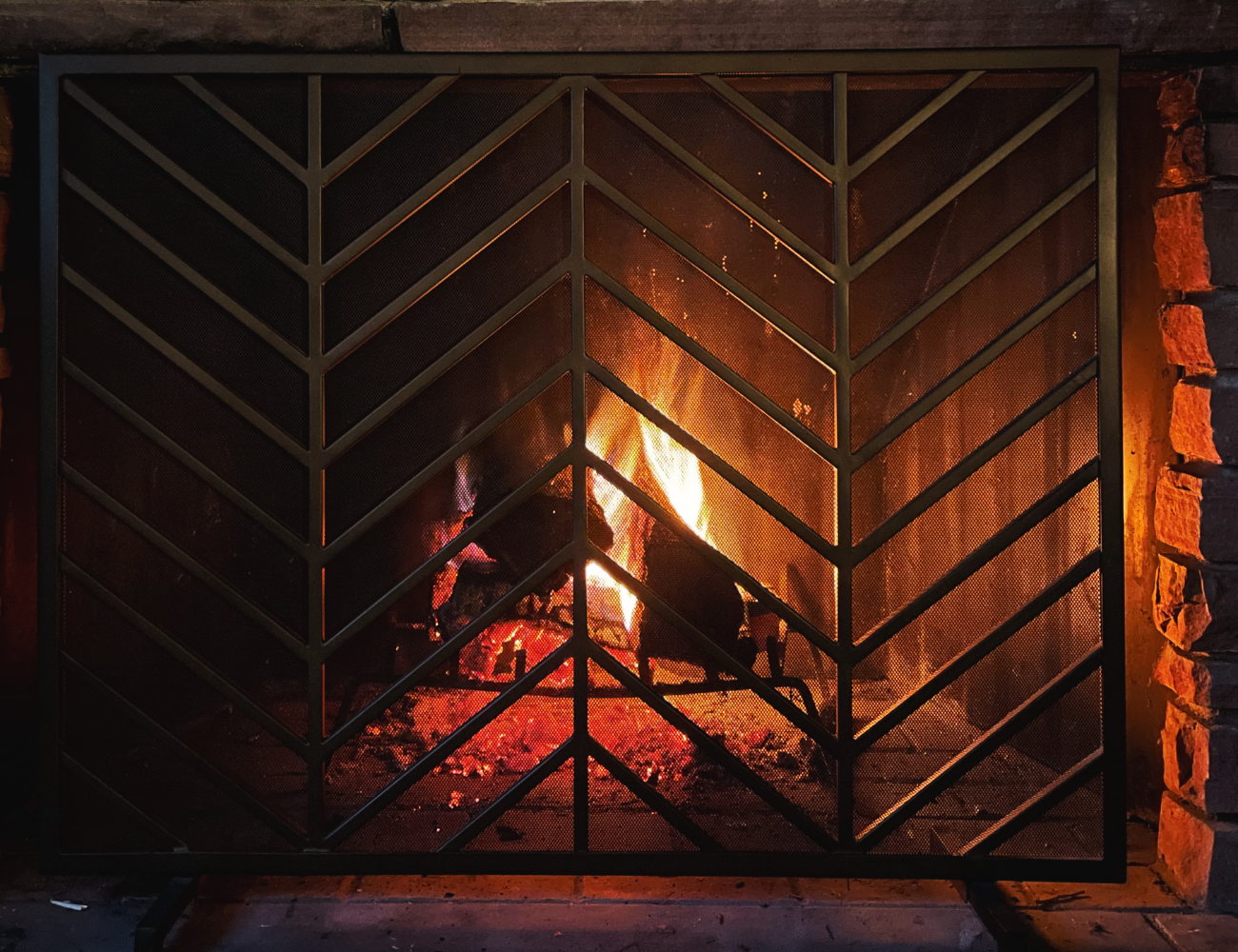
“We no longer build fireplaces for physical warmth, we build them for the warmth of the soul; we build them to dream by, to hope by, to home by.”
A fireplace is a sacred place. It is a place of ritual and reflection, providing warmth and light from its flickering flames. Fireplaces were historically used for heating and cooking, but also as a place of social connection and spiritual reflection. Almost every civilization has an association with a fireplace.
A fire circle was central to the culture of indigenous tribes in America. Fire provided safety, light, and warmth. Tribes would gather around fires to share stories and wisdom. The traditional Japanese fireplace, an ‘irori’, was a sunken stone hearth in the center of the room, used both to cook and heat the home. Beyond the practical function, it was a symbol of Japanese hospitality. Traditional English and Irish fireplaces were seen as the heart of a home. In addition to heating the home and being the place where meals were cooked, they were where stories and songs would gather family and friends together.
In literature, the fireplace is often seen as a place of protection and connection. In “The Lord of the Rings” by J.R.R. Tolkien, the fireplace is where characters are welcomed, recover, regain strength, and share stories that bring hope. In Laura Ingalls Wilder’s “Little House on the Prairie,” the fireplace is both the hearth and heart of the family.
The sight and sound of a fire have long been known to have a calming effect on the mind and body. The sensory nature of a fire increases physical and mental health. According to a study by the University of Alabama, the benefits include decreasing anxiety and lowering blood pressure.
Fireplaces focused communities and families. Andy Crouch writes, “The fireplace used to be the hearth—the center of a home, both literally and figuratively. The Latin word for hearth is focus, and the activities of premodern homes in both Europe and America were indeed focused on the place that provided warmth, light, and sustenance all at once.” He continues with how the fireplace was a place of shared contribution. “The hearth demanded skills of many sorts, and almost every member of the household contributed to it in one way or another—chopping and stacking wood, carrying the wood to the fire, building and tending the fire, covering it at night so there would still be fire in the morning.” Crouch reflects on how furnaces that now heat most of our homes are hidden away in basements, and our homes often lack a hearth, a place where our families have a shared focus.
Fireplaces bring our gaze together, while the flickering flames invite individual reflection. A fireplace that provides a home warmth on a cold winter evening, or a firepit crackling outdoors in the summer, both create a place of connection and contemplation. A fireplace is a sacred place.