
SEASONS | RESOURCES
Epiphany
Epiphany invites us to notice the light of Christ appearing in the world. In the heart of winter, we remember the long wait for Jesus, receive the gift of his coming, and watch for the ways God’s story continues to unfold—here in our neighborhoods, now in our everyday lives, and still in the days ahead.

“The season of epiphany is a reminder to the church of her vocation to face outward, toward the other, to share the Light of Christ.”
ABOUT THE SEASON
Epiphany is the celebration of Christ being revealed to the world. The season focuses on arrival: Jesus is the Light of the world—the Light that brings life. It is a season where we are invited to see that the Light of the world has come for all people.
Epiphany means “manifestation.” Traditionally, the season of Epiphany begins with the visit of the Magi, following the Light. The work of formation during Epiphany is to see how Jesus’ life becomes the pattern for our life so that what has been revealed in Christ is also revealed through us, in the places we live.
Rhythms
RESOURCES FOR EPIPHANY
Winter rhythms are simple practices that help us meet this season with open eyes and open doors. They look like winter play and delight: finding the nearest sledding hill, laughing until your cheeks burn, letting joy be a form of resistance to the dark. They look like steady care—clearing snow from sidewalks and steps, making a path where others might slip, doing the unnoticed work that sees and celebrates, God with us.
Prayer for Epiphany

The light of Christ enlightens all.
You have come for every nation and every neighborhood,
You deliver us from darkness
And invite us to live in Your light.
May Your light lead us
To unexpected locations
Where the holy is hidden in plain sight.
May Your light brighten us
To fill our hearts with Your joy
And our lives with Your peace.
May Your light illuminate us
To reflect Your love for those across our street
And around Your world.
May Your light guide us
To make our homes places of peace
And our neighborhood a reflection of Your love.
Prayers







Practice | Chalking the Door

Chalking the Door is an ancient practice to mark our homes as places of sacred hospitality. It is a tangible way of asking God’s blessing on those who enter the home throughout the coming year.
Chalking the Door is a practice in the season of Epiphany that began near the end of the Middle Ages. Priests would visit the members of their congregation after the Feast of the Epiphany, commemorating the visit of the Magi. They would bless their homes and mark them with chalk near the front door.
A common way of Chalking the Door is to write the symbols along the doorframe: the first two digits of the year + C+ M + B + the last two digits of the year. The inscription for the year 2025 is: 20 + C + M + B + 25. The letters traditionally refer to the legendary names of the three Magi: Caspar, Melchior, and Balthasar. Another tradition refers to it as the abbreviation of the Latin phrase, Christus Mansionem Benedicat, which means “May Christ bless this house.”
Chalk is an ordinary material of the earth. This practice takes common elements and makes them holy. Chalk does not make a permanent mark. It fades with time, but each time we enter our home and see the inscription, we are reminded of our desire for our homes to be places of hospitality, welcome, and peace.
Practice
Mark your calendar. Epiphany is 12 days after Christmas.
Find some chalk. Thick sidewalk chalk is a good option.
Gather everyone. Gather your whole household. Invite a friend or neighbor if you live alone.
Say a simple prayer. Consider using A Blessing for Home.
Write the inscription. Use the chalk and take turns to write the numbers and letters on or above the door.
Add the 4 crosses. Recite the blessing together as you mark the crosses in between the numbers and letters, “May Christ bless our home throughout this year.”
Practices







Places for Epiphany: Fireplace

A fireplace is a sacred place. It is a place of ritual and reflection, providing warmth and light from its flickering flames. Fireplaces were historically used for heating and cooking, but also as a place of social connection and spiritual reflection. Almost every civilization has an association with a fireplace.
A fire circle was central to the culture of indigenous tribes in America. Fire provided safety, light, and warmth. Tribes would gather around fires to share stories and wisdom. The traditional Japanese fireplace, an ‘irori’, was a sunken stone hearth in the center of the room, used both to cook and heat the home. Beyond the practical function, it was a symbol of Japanese hospitality. Traditional English and Irish fireplaces were seen as the heart of a home. In addition to heating the home and being the place where meals were cooked, they were where stories and songs would gather family and friends together.
In literature, the fireplace is often seen as a place of protection and connection. In “The Lord of the Rings” by J.R.R. Tolkien, the fireplace is where characters are welcomed, recover, regain strength, and share stories that bring hope. In Laura Ingalls Wilder’s “Little House on the Prairie,” the fireplace is both the hearth and heart of the family.
The sight and sound of a fire have long been known to have a calming effect on the mind and body. The sensory nature of a fire increases physical and mental health. According to a study by the University of Alabama, the benefits include decreasing anxiety and lowering blood pressure.
Fireplaces focused communities and families. Andy Crouch writes, “The fireplace used to be the hearth—the center of a home, both literally and figuratively. The Latin word for hearth is focus, and the activities of premodern homes in both Europe and America were indeed focused on the place that provided warmth, light, and sustenance all at once.” He continues with how the fireplace was a place of shared contribution. “The hearth demanded skills of many sorts, and almost every member of the household contributed to it in one way or another—chopping and stacking wood, carrying the wood to the fire, building and tending the fire, covering it at night so there would still be fire in the morning.” Crouch reflects on how furnaces that now heat most of our homes are hidden away in basements, and our homes often lack a hearth, a place where our families have a shared focus.
Fireplaces bring our gaze together, while the flickering flames invite individual reflection. A fireplace that provides a home warmth on a cold winter evening, or a firepit crackling outdoors in the summer, both create a place of connection and contemplation. A fireplace is a sacred place.
Places

“We no longer build fireplaces for physical warmth, we build them for the warmth of the soul; we build them to dream by, to hope by, to home by.”


RESOURCES FOR EPIPHANY
Recommended Resources
These curated resources help you hold winter’s full movement—waiting and welcome, darkness and dawning, birth and revelation. Each one is chosen to deepen your awareness of God-with-us in your community, offering grounded hope, honest reflection, and practices for noticing the light that has come and keeps shining.
-
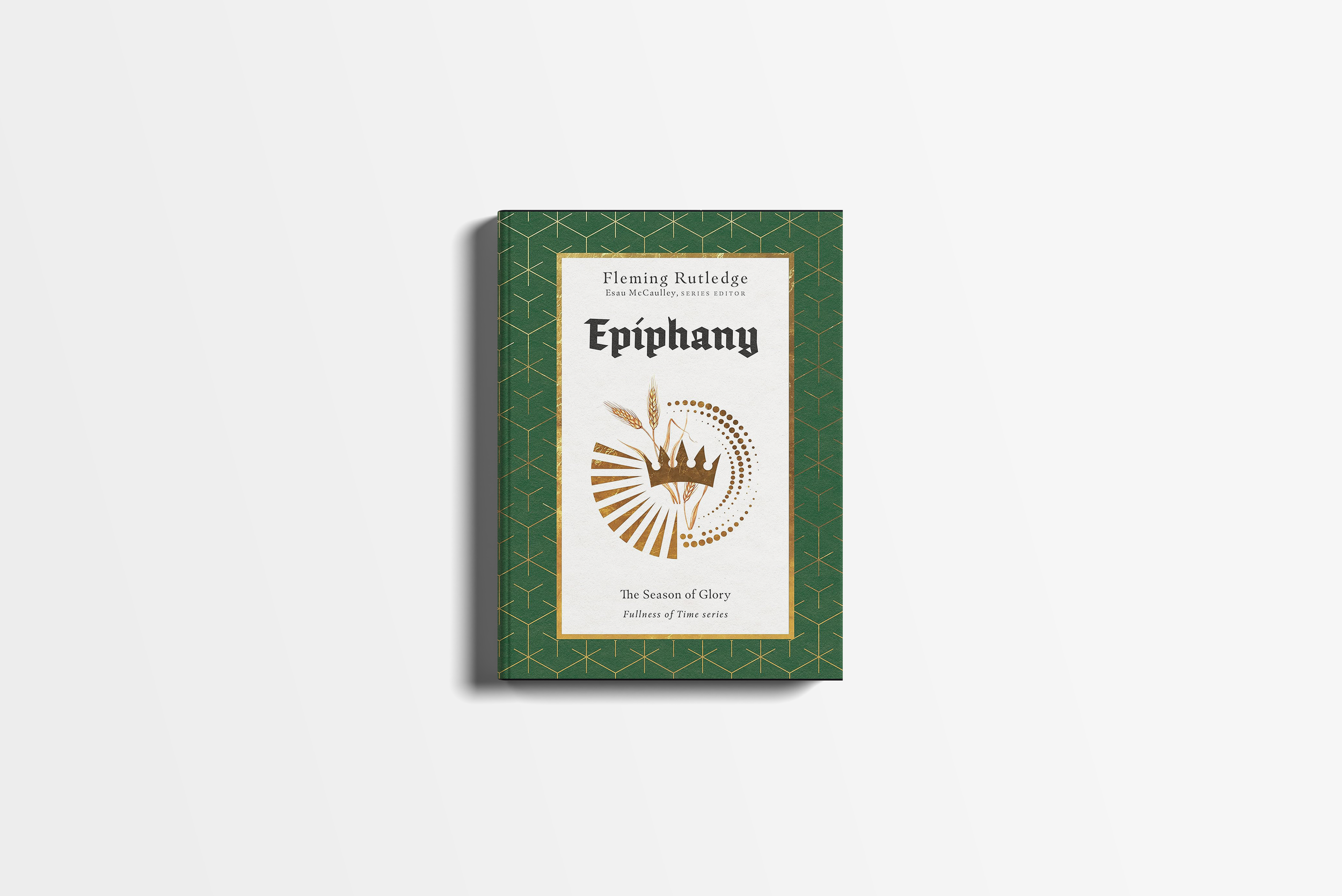
Epiphany
We have beheld his glory, glory as of the only Son from the Father."
This line from the prologue of the Gospel of John declares the theme of Epiphany. Christmas celebrates Christ's birth; Epiphany manifests his glory.
The feast of Epiphany and its following season are not as well observed as they should be. Many of us associate Epiphany with the visit of the Magi but don't know much more about it. In this short volume, priest and theologian Fleming Rutledge expounds the primary biblical texts and narrative arc of the season, inviting us to discover anew "the glory of God in the face of Jesus Christ."
-
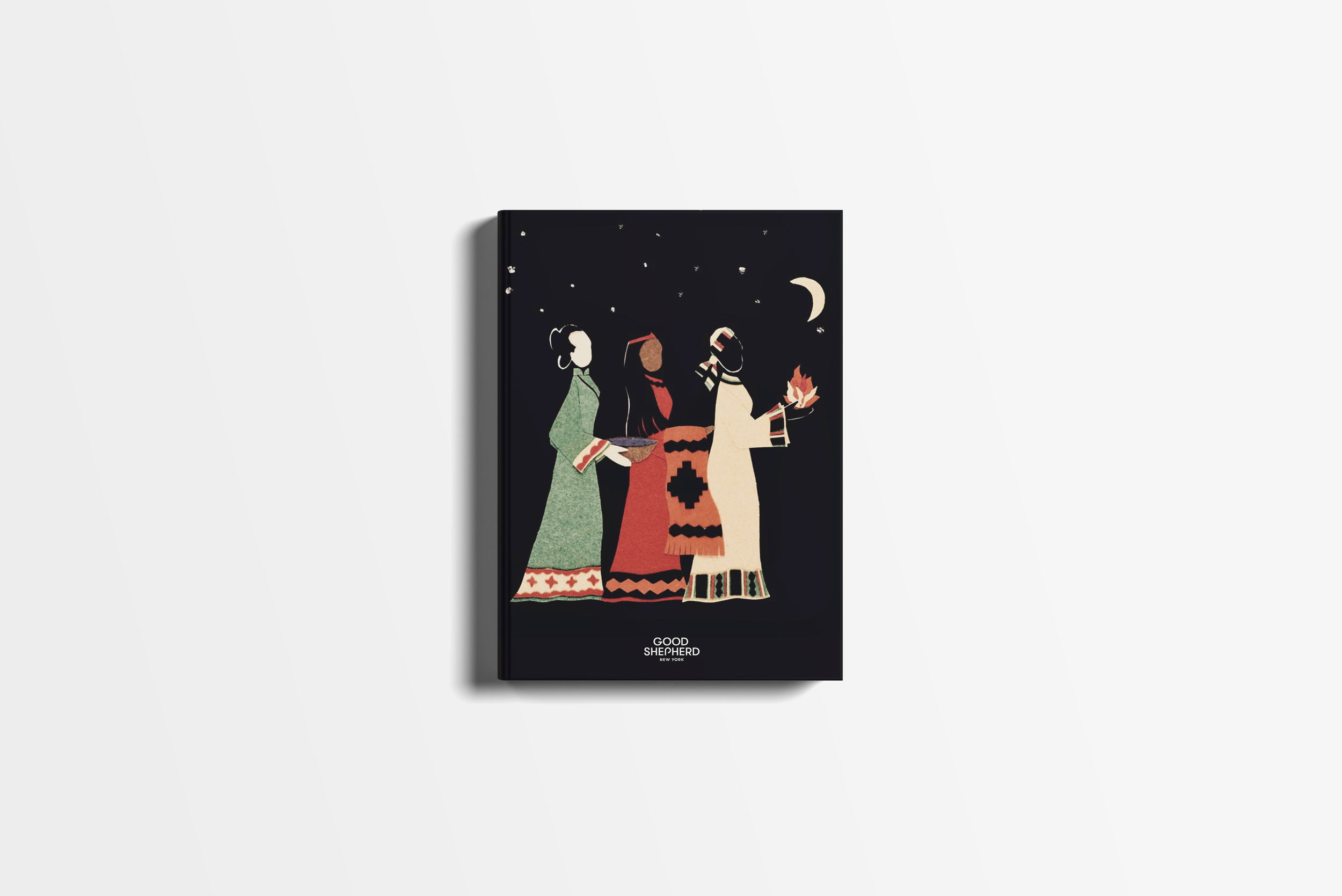
2024 Good Shepherd Epiphany Guide
This thoughtfully crafted guide invites individuals and communities into a season of reflection, wonder, and belonging. It offers Scripture readings, prayers, and practical prompts that connect the spiritual journey of Epiphany. Whether used personally or in a group setting, this guide helps deepen our understanding of how Christ’s presence is revealed through place, people, and everyday life.
-

2025 Epiphany Guide
This thoughtful Epiphany Guide from Good Shepherd New York offers a season‑long invitation to see Christ’s light in everyday life and in community. Rooted in Scripture and shaped by practices that help readers reflect deeply on the meaning of Epiphany, the guide includes spiritual reflections and suggested practices to help individuals and groups embody Christ’s love beyond belief into action. Designed to support personal devotion and communal connection during the Epiphany season, it helps anchor one’s year in the light, hope, and mission of Jesus.
-

Sacred Ordinary Days
The Epiphany of the Lord is a feast day that celebrates the revelation of God as a human being in Jesus Christ. It is observed on January 6 and marks the official end of the Christmas season.

More rhythms to root your faith in place.