
SEASONS | RESOURCES
Autumn
The warmth of summer slowly gives way to cooler days, and the landscape shifts into gold and flame. Autumn is a season of turning, where light and dark find balance, the harvest is gathered in, and we’re invited to root ourselves more deeply in gratitude, memory, and the slow work of God.

“Again the air is full of falling:
the fall of the leaves in the weighty season that bring all home again to the lowly miracle from which they came.”
ABOUT THE SEASON
The days grow shorter, yet the light still lingers. The air holds both warmth and chill. The turning of the year reminds us that life comes in cycles: harvest, remembering, beginning again.
Autumn is a season of harvest—a time to gather what has grown, to give thanks for the fruits of our labor and the gifts we’ve received. It is a time to share what we have, knowing that community flourishes when abundance is held together.
Autumn is a season of remembrance. As the year wanes, we remember those who have come before us; our ancestors, mentors, neighbors, and loved ones. We recall their stories, honor their lives, and recognize that we are part of a much longer story. In doing so, we ground ourselves not just in time, but in belonging.
This autumn, may you take time to gather, to remember, to bless, and to be blessed. May you find yourself rooted more deeply in your place, in your people, and in the presence of God who walks with us through every turning season.
Rhythms
RESOURCES FOR AUTUMN
As autumn settles in, so do new schedules. School begins. Routines return. Days fill quickly with driving, working, planning, and preparing. It’s easy to move through this season without looking up. But autumn invites something different. In the midst of busyness, it calls us to pause—to notice what is being gathered, what is worth remembering, and where gratitude might take root. These rhythms are here to help you stay grounded in the gifts of this season: its harvest, its memory, and the quiet, daily grace of being present.
Prayer for Changing Seasons

Our prayer is for this season
Of feeling in-between,
And crossing thresholds.
May we learn from Your world
Where the shift of seasons is patient,
And creation insists on taking its time.
May we relearn the rhythms
Of waking children for learning,
And rearranging our days and driving.
May we notice those arriving,
And whose presence is departing.
May we bless each neighbor, family, or friend,
With whom we share this season.
May we see the beauty of yellow leaves
As a reminder of the mystery and miracles
We only find in being in-between.
May we see the changing seasons
Not as a threat of time,
But an invitation from You
To enter a new grace.
May the roots of our life reach deeper
In this threshold of time,
And in this sacred place.
Prayers








Practice for Gathering Leaves

“A neighbor is someone who you share leaves with.” A friend once shared this wisdom with me. It is a helpful reminder a yard covered in leaves is an annual invitation to love my neighbor. Saying a prayer for the wind to blow all the leaves into your neighbor’s yard is not what I’m suggesting. Instead, the yearly work of gathering leaves can be a practice that marks this season of caring for the people and place around you.
Giving a few hours to gather leaves in your neighborhood is a practical way to serve others. Raking leaves may be difficult for neighbors who are elderly or have certain health conditions. Gathering piles of leaves (and falling into them) is the yard work many hold as a cherished childhood memory. The time gathering leaves requires often has outsized outcomes.
The movement to “Leave the Leaves” for the benefit of the ecosystem of plants and animals may not be a realistic option for many homeowners. David Mizejewski, a naturalist and author with the National Wildlife Federation, says “The most important thing is to try and keep them on your property.” He suggests raking leaves into garden beds or scatter them around the roots of plants. Another option is to gather them into a compost pile. Whole leaves can be composted, but shredded leaves biodegrade more quickly. Mulching a light layer of leaves with a mower is beneficial for the soil. The primary goal is to avoid removing leaves in plastic bags to be disposed.
A few helpful reminders in gathering leaves. It’s always easier to rake dry leaves. Wet leaves are like wet newspaper. If the leaves don’t crunch when you step on them it’s probably too wet. If weather allows, save time by waiting until the trees are almost bare. By waiting, you’ll only have to rake the yard once. And, using a tarp to collect leaves can streamline the process. The Rocky Mountain Goods Drawstring Tarp is specially designed for raking up leaves. Rake the leaves on the top of the tarp, then gather the corners of the tarp to move them efficiently to garden beds or compost bins.
Fallen leaves are an annual reminder of who is your neighbor. They are an invitation to care for both the people and place around you.
Practices
“Autumn leaves don’t fall, they fly. They take their time and wander on this their only chance to soar.”


Places for Autumn | Colorado State Fair

The Colorado State Fair has been a place where agriculture, community, and celebration converge since 1872. It began as a gathering of farmers bringing their best crops, swapping tips for difficult Colorado soil, sharing the latest seed innovations, and competing for bragging rights. Pueblo’s fair wasn’t just a momentary reprieve; it was a lifeline. A place where scattered communities came together to learn, connect, and thrive. Over 150 years later, that spirit of community celebration endures.
Pueblo’s first horse show in 1869 drew more than 2,000 people, laying the foundation for what would become a cornerstone of Colorado culture. By 1872, the Southern Colorado Agricultural and Industrial Society formally organized the fair. They did so without state funding and little outside support, but with a fierce belief in the power of gathering.
The fairgrounds moved before settling in 1900 on land accessible by rail. By then, Pueblo had grown from a military outpost into a hub of agriculture and steel. A place where people brought cantaloupes and cattle, iron and ingenuity. Each chapter of the fair’s history reflects the resilience of Coloradans. Through seasons of growth, hardship, and war, the fair always returned.
Today, at the Colorado State Fair, you’ll see children learning to milk dairy cows while grandparents reminisce about their first rodeo. Historical buildings, more than a century old, stand beside modern carnival rides and corn dog stands. The state fair is proudly quirky—pig races for Oreos, high dives, and deep-fried candy bars. But beneath the spectacle is a commitment to connection—to food, to land, and to one another.
Ask someone in Pueblo what the state fair means, and they’ll give you a memory. A parade. A handshake. A chili-smothered cheeseburger. They'll tell you how it connects urban and rural communities in Colorado, how it bridges generations and preserves traditions.
The state fair remains one of the few places where recent transplants and long-time Coloradans meet with open hands. Linger in the livestock barns or pause by the quilting demonstrations, and you'll likely meet someone whose family has worked this land for generations. You might hear how Pueblo’s famous green chiles became a point of pride or meet the girl who raised the Grand Champion steer and sold it for a college scholarship. A 4-H kid who learned to program a robot. A Fiesta Day queen inspiring the next generation of Latinas toward leadership.
When the gates open in Pueblo, step through them not just for the funnel cake or fireworks, but for a connection to land, neighbor, and legacy. The Colorado State Fair is a sacred place.
Places


RESOURCES FOR AUTUMN
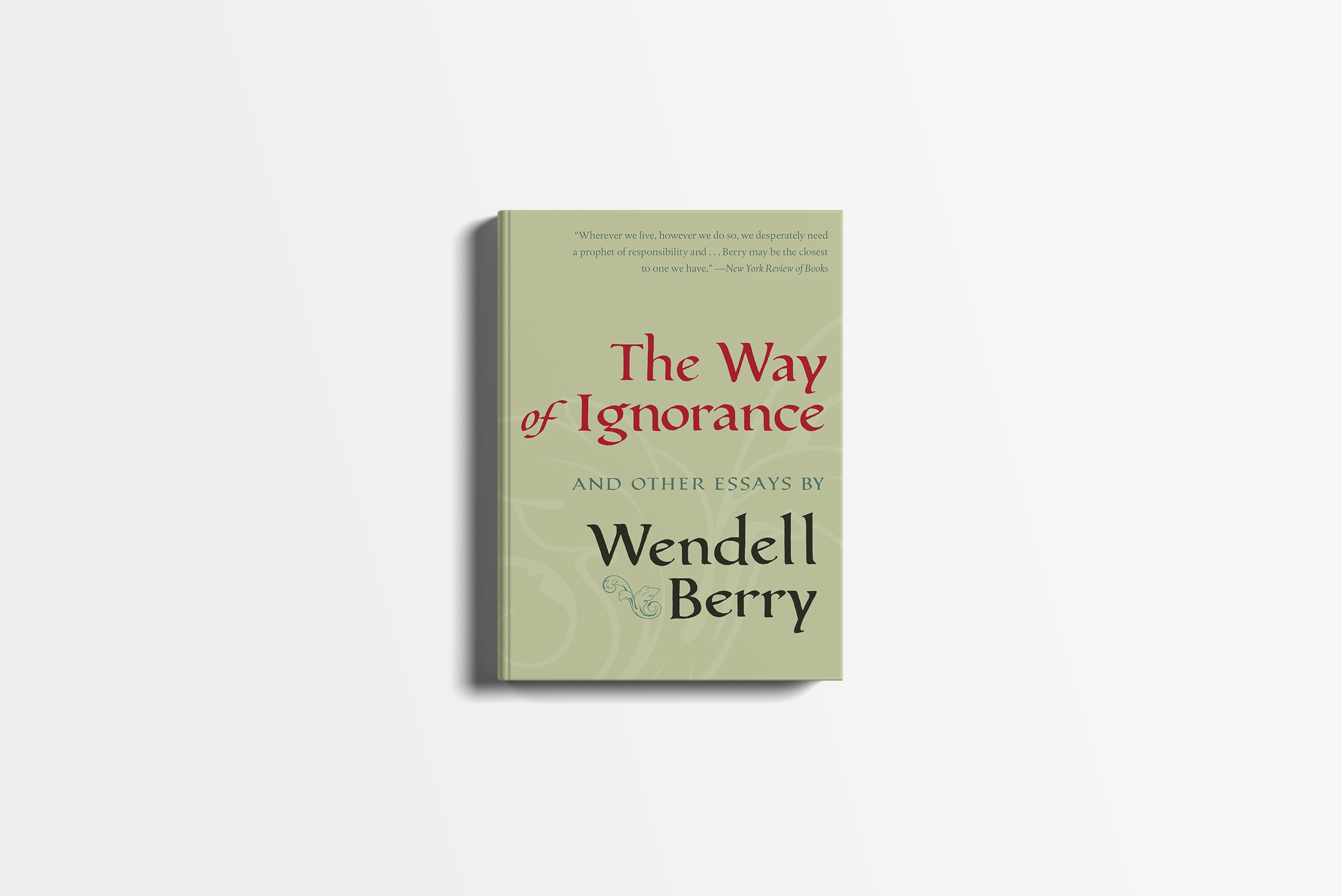
Recommended Books
This curated list invites you to slow down, ask meaningful questions, and deepen your connection with God, your neighbors, and the places you call home.
COMMUNITY | CREATION CARE | AGRICULTURE

PARABLE | PATIENCE | HIDDEN WORK

THEOLOGY | GEOGRAPHY | PRACTICES

COMMUNITY | BEAUTY | CULTURE

THEOLOGY | GEOGRAPHY | HISTORY

GEOGRAPHY | SPIRITUALITY | STORY

SPIRITUALITY | STORY | PRACTICES

More rhythms to root your faith in place.

